Duluth Wellness Guide: Where to Recover, Recharge, and Take Care of Yourself
Saturday, Mar 7th, 2026Duluth is quietly one of the best wellness cities in the Midwest.
Not in the $400-infrared-sauna-pod-with-a-juice-cleanse way. In the real way, where Lake Superior is your cold plunge, the trails are your therapy, and the people around you actually care whether you showed up today.
If you're looking for ways to take better care of yourself in Duluth, this is your cheat sheet. We broke it down by what you actually need: movement, recovery, fuel, and mental health.
Movement: Finding Something That Sticks
Duluth has no shortage of ways to move your body. The hard part isn't finding options. It's finding the one that makes you want to come back tomorrow.
Outdoor movement is basically Duluth's love language. We put together a full guide to 20+ outdoor activities you can do here year-round, from paddleboarding on Park Point to fat-tire biking at Spirit Mountain in January. The catch? You need a baseline of fitness to actually enjoy most of them. Nobody wants to bail on a Boundary Waters trip because their back gave out on portage number two.
Group fitness is where most people find consistency. There's something about knowing someone will notice if you don't show up. At CrossFit Aerial, every workout is coached, scaled to your level, and done in a group small enough that the coach knows your name and your wonky shoulder. If you haven't worked out in years, that's literally our target demographic. Here's what your first week actually looks like.
For our members 55 and older, the Legends program is specifically designed for longevity, keeping you strong enough to ski, hike, and keep up with grandkids for decades.
Yoga and mobility fill the gaps that high-intensity training can't. Duluth has several solid studios. We also run periodic mobility clinics focused on joint health and movement quality, because being strong and being mobile aren't the same thing.
Recovery: The Part Everyone Skips
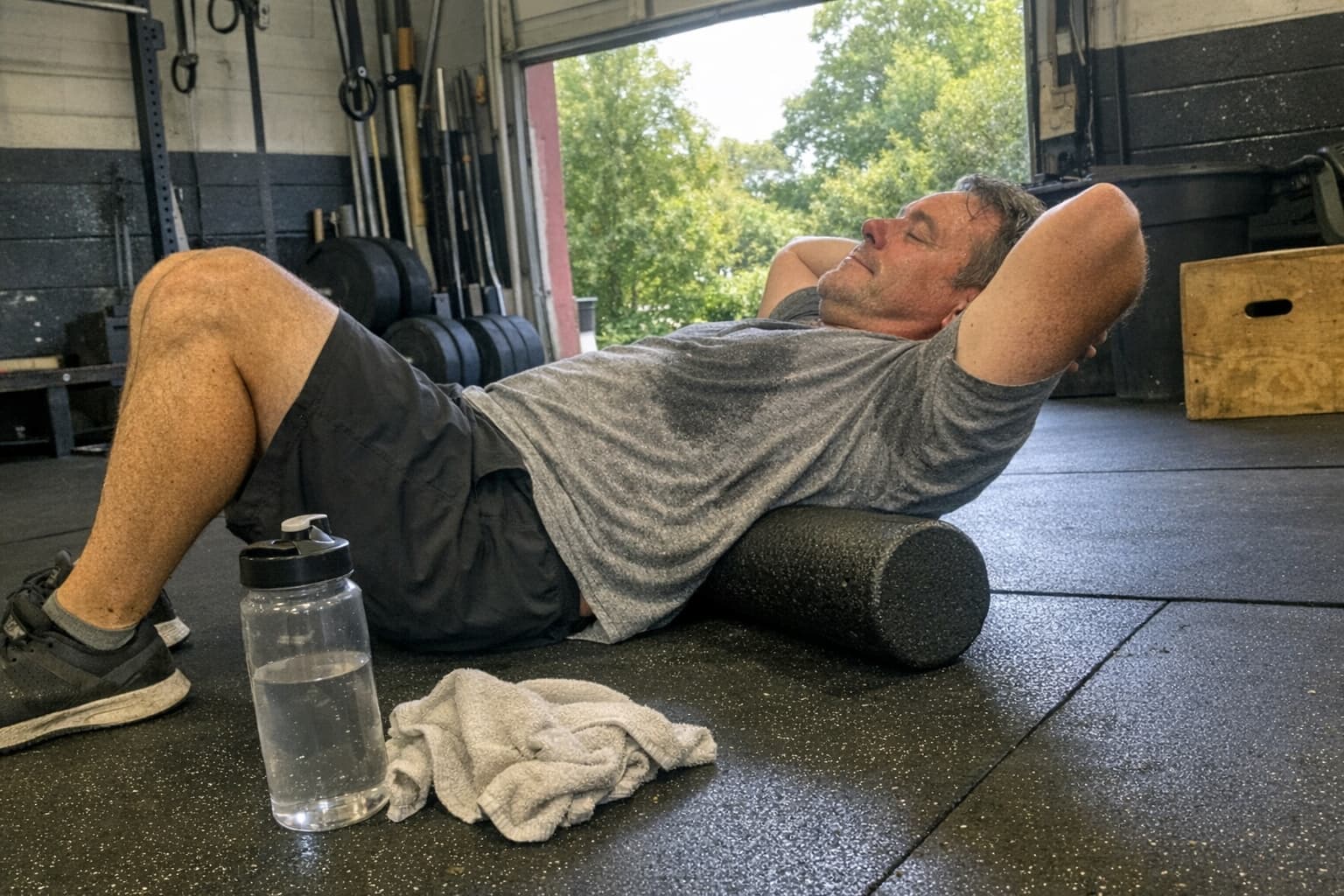
Here's the unsexy truth about wellness: the recovery matters as much as the workout. Duluth has some genuinely great recovery options that most people don't take advantage of.
Sauna culture is alive and well here, which makes sense given the Finnish heritage. Traditional saunas followed by a Lake Superior dip are about as Duluth as it gets. The contrast between heat and cold drives circulation, reduces inflammation, and honestly just makes you feel like a new person.
Sleep is the most underrated wellness tool in existence. We wrote about the science of napping and how strategic rest fits into an active lifestyle. If you're training hard and sleeping six hours a night, you're leaving results on the table.
Bodywork and recovery specialists are worth knowing about too. Nordic Performance here in Duluth focuses on recovery for active people. Dr. Paul does dry needling and fascia work specifically geared toward helping CrossFitters and athletes bounce back faster. If you've got a nagging shoulder or your hips have been barking at you for months, that kind of targeted work can be the thing that finally fixes it.
Active recovery days don't mean sitting on the couch. A walk on the Lakewalk, some light stretching, or 20 minutes of mobility work keeps you moving without taxing your system. The goal is blood flow, not a new PR.
Fuel: Eating Like You Give a Damn
You can't out-train a bad diet. Duluth makes eating well easier than most cities its size.
We put together a guide to the best post-workout restaurants in Duluth, spots where you can refuel with real food, not just the closest drive-through. Juice Pharm, Northern Waters, and several others make it easy to eat clean without meal-prepping your entire weekend away.
Nutrition coaching takes it a step further. If you've ever Googled "what should I eat" and gotten 47 contradicting answers, working with a coach who understands your training, schedule, and goals cuts through all of it. At CrossFit Aerial, our nutrition program builds sustainable habits, not 21-day challenges that fall apart on day 22.
Understanding how your metabolism actually works is a game-changer, especially if you're over 40 and wondering why the same approach that worked in your twenties isn't cutting it anymore.
Mental Health: The Quiet Part
Wellness isn't just physical. And Duluth, for all its beauty, has long winters that test anyone's mental health.
Community is the cheat code. The research is clear: social connection is one of the strongest predictors of longevity and mental health. That's part of why group fitness works. The friendships formed in the gym translate to hiking trips, coffee runs, and people who text you when you've been MIA for a week.
We've heard stories from members about how CrossFit changed more than their fitness. People dealing with depression, addiction, or just feeling stuck have told us that showing up to the gym gave them a reason to get out of bed. The mind-body connection is real. When you start taking care of one, the other follows. It's not something the CrossFit world talks about enough, but it might be the most important thing we do.
Getting outside, even when it's 15 degrees, has a measurable impact on mood, stress, and sleep quality. Duluth makes this easier than almost anywhere. The trails don't close in winter. The lake doesn't go anywhere. And there's something about a sunrise over Superior that no therapist can replicate (though you should also see a therapist if you need one).
Investing in yourself is the hardest part for most of our members to get past. Working parents especially. They'll spend money on their kids' activities, their partner's hobbies, even their dog's health, before they'll invest in their own. We wrote about the real cost of NOT investing in your health, and the numbers are pretty sobering.
Building Your Own Wellness Stack
The best wellness routine is the one you'll actually do. Here's what we'd suggest for someone starting from zero in Duluth:
Move 3-4x per week in a coached environment where someone holds you accountable.
Get outside once a week. Hike, bike, paddle, ski. Duluth makes this embarrassingly easy.
Eat real food most of the time. Don't overthink it. Protein, vegetables, water.
Sleep 7+ hours. Non-negotiable.
Find your people. A gym community, a running group, a hiking crew. Something where people know your name.
That's not a $40,000 biohacking protocol. That's just concierge-level health without the concierge price tag. And it's all available right here in Duluth.
Ready to start building your wellness routine? Check out our pricing or learn what your first week looks like. Everyone starts somewhere. Most of our members started exactly where you are right now.
Frequently Asked Questions
What makes Duluth a good city for wellness?
Duluth offers year-round outdoor recreation, a strong community fitness culture, Finnish-influenced sauna traditions, and access to Lake Superior for cold water therapy. The combination of natural beauty, affordable living, and tight-knit community makes it easier to build sustainable wellness habits than in most cities.
How do I start a wellness routine if I haven't exercised in years?
Start with one thing. Pick a coached group fitness class, a walking habit, or a weekly hike. The key is consistency over intensity. Most CrossFit gyms, including CrossFit Aerial, scale every workout to your current fitness level, so you can start wherever you are.
Is sauna good for workout recovery?
Yes. Regular sauna use has been shown to improve circulation, reduce muscle soreness, lower inflammation, and support cardiovascular health. Combined with cold exposure like a Lake Superior dip, contrast therapy can significantly speed up recovery between workouts.
What is dry needling and how does it help athletes?
Dry needling involves inserting thin needles into trigger points in muscles to release tension and improve blood flow. For athletes and CrossFitters, it can help with chronic tightness, mobility restrictions, and nagging injuries that don't respond to stretching alone. It's often combined with fascia work for best results.
Can exercise help with depression and mental health?
Research consistently shows that regular exercise is one of the most effective interventions for depression, anxiety, and overall mental health. The combination of physical movement, social connection in group fitness settings, and the sense of accomplishment from progressive training creates a powerful positive feedback loop for mental wellbeing.