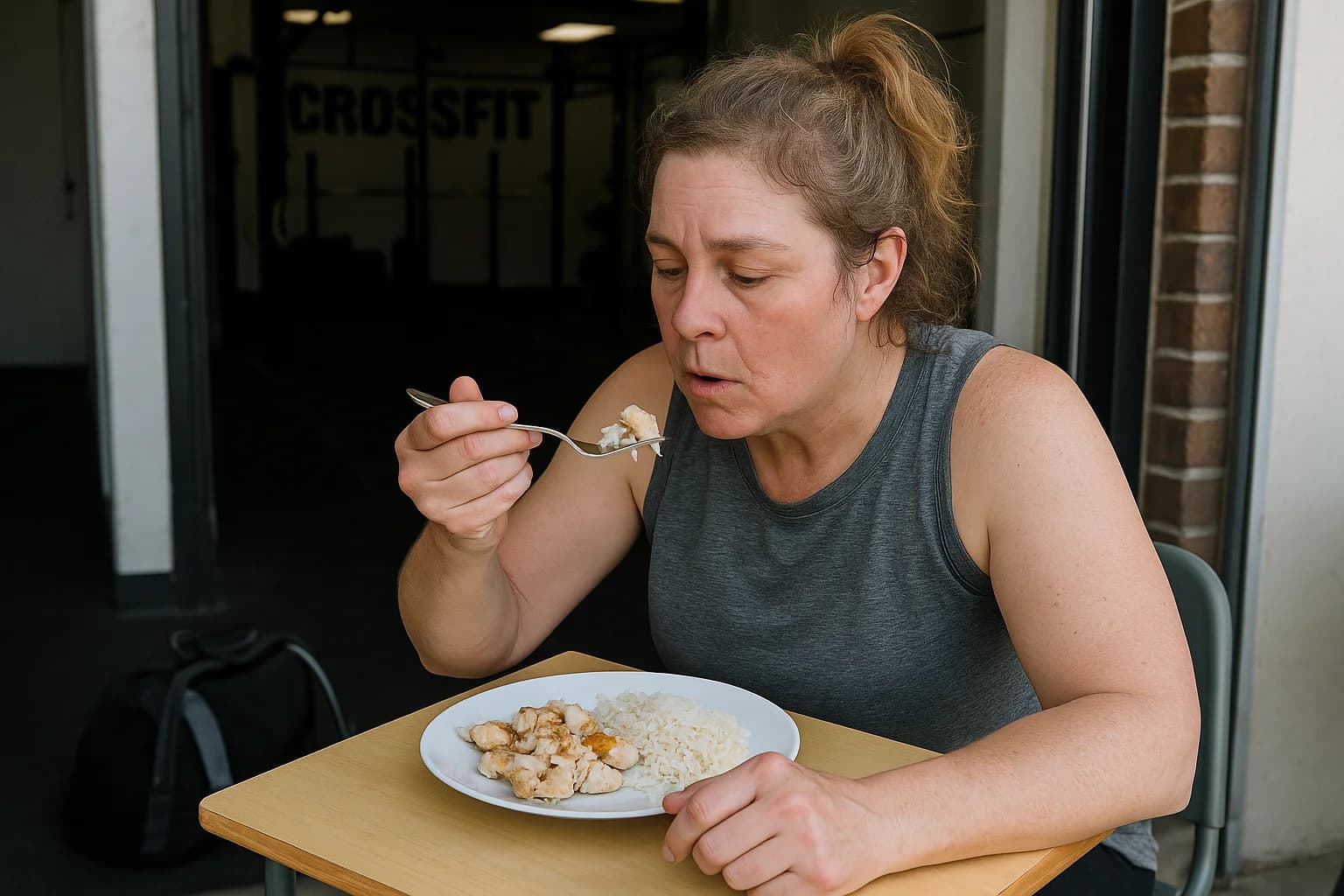
What to Eat Before and After CrossFit
Tuesday, Mar 24th, 2026You just crushed a workout. You're sweaty, your legs are shaking, and you feel great. Now what? Grab whatever's closest? Skip eating because you're not hungry yet? Swing through a drive-through?
What you eat around your workouts matters. Maybe not as much as the fitness influencers want you to believe, but more than most people realize. The good news is it doesn't have to be complicated. You don't need special supplements or a meal-prep empire. You just need to eat the right stuff at roughly the right time.
Before Your Workout: Fuel the Engine
Think about what happens when you try to drive your car on empty. It sputters. It stalls. Your body does the same thing. If you show up to a CrossFit class running on coffee and hope, you're going to hit a wall about ten minutes in.
The sweet spot is eating about one to two hours before you train. That gives your body enough time to start breaking down food without leaving you feeling heavy or sluggish.
What should that meal look like? Carbs and protein. That's it. Carbs give you energy. Protein keeps your muscles happy. You don't need to overthink it.
Here are some real examples that actual humans eat before the gym:
- A banana with peanut butter
- Oatmeal with a scoop of protein powder mixed in
- A turkey sandwich on whole wheat (half is fine if it's close to class time)
- Greek yogurt with some granola
- Rice and chicken from last night's dinner (yes, leftovers count)
- Toast with eggs
If you're hitting the 5:30am class and there's no way you're eating a full meal at 4am, that's okay. A banana or a handful of dates on the way out the door is better than nothing. Some people can train fasted and feel fine. Others bonk halfway through. You'll figure out what works for you pretty quickly.
The thing to avoid: heavy, greasy, high-fat meals right before training. A burger is great food. It's terrible pre-workout food. Fat takes forever to digest, and doing thrusters while your stomach is still processing a cheeseburger is an experience you only need once.
After Your Workout: Rebuild and Recover
This is where it gets interesting. During a CrossFit workout, you're tearing muscle fibers apart (in a good way). Your body is depleted of glycogen, which is basically your stored energy. The post-workout window is when your body is most ready to absorb nutrients and start repairing.
You want to eat within about an hour after training. Ideally within 30 to 45 minutes if you can swing it. And the formula flips slightly. You still want carbs and protein, but now protein takes the lead.
Aim for 20 to 40 grams of protein and some carbs to replenish your energy stores. Here's what that looks like in real food:
- Chicken breast with rice (the classic for a reason)
- A protein shake with a banana blended in
- Eggs and toast
- A burrito bowl with beans, rice, and meat
- Cottage cheese with fruit
- Deli turkey rolled up with cheese and an apple
If you're rushing from the gym to work or to drop the kids off, keep it simple. A protein shake in your gym bag takes 30 seconds to make. A pre-made container of overnight oats with protein powder works great. Even a chocolate milk (seriously) is a solid option in a pinch because it has the right ratio of carbs to protein.
Quick-Grab Options for Busy People
Let's be real. Most of the people at CrossFit Aerial are busy parents, working professionals, or both. Nobody's going home to prepare a gourmet post-workout plate at 7am on a Tuesday.
Here are some grab-and-go options that take basically zero effort:
- Pre-made protein shakes (Fairlife, Premier Protein, whatever's on sale)
- Hard boiled eggs (batch cook on Sunday, grab two on the way out)
- String cheese and an apple
- A small bag of trail mix
- Protein bars (RXBar, Built Bar, or whatever you can stomach)
- Leftover anything from dinner last night
The best post-workout meal is the one you'll actually eat. If you're choosing between a "perfect" meal you'll skip because it's too much effort and an imperfect meal you'll actually have, go with the imperfect one every time.
What About Supplements?
Creatine is probably the one supplement with decades of research behind it. Five grams a day, taken whenever. It helps with strength and recovery. It's cheap and it works.
Protein powder is just food. It's convenient, not magical. If you're getting enough protein from real food, you don't need it. If you're falling short (most people are), it's an easy way to close the gap.
Beyond that? Most supplements are expensive pee. Pre-workout is basically caffeine with a marketing budget. BCAAs are unnecessary if you're eating enough protein. Save your money and spend it on groceries.
The Bigger Picture: Nutrition as a Habit
Workout nutrition is one piece of a bigger puzzle. If your overall eating habits are all over the place, nailing your pre and post-workout meals is like putting a nice paint job on a car with a busted engine. It helps, but it's not the main thing.
This is where understanding macros comes in handy. Not because you need to weigh every morsel of food, but because having a general sense of how much protein, carbs, and fat you're eating gives you a framework. Instead of guessing, you know.
At CrossFit Aerial, we offer nutrition coaching with Mikaela for exactly this reason. She works with members to figure out what they need based on their goals, their schedule, and what they actually like to eat. No cookie-cutter meal plans. No foods you're "not allowed" to have. Just a framework that makes sense for your life.
Shari is a good example. She started in our bootcamp program and eventually moved into regular classes. Part of what changed for her wasn't just the workouts. It was learning what to eat around them. Small tweaks to her nutrition helped her recover better and have more energy during the day. She told us she noticed the difference when she was shoveling snow last winter, of all things.
Post-Workout Eating Out in Duluth
Sometimes the best post-workout meal is one someone else makes for you. Duluth has solid options if you're leaving the gym and want to grab something that'll actually fuel your recovery. We put together a whole guide to post-workout restaurants in Duluth if you want the full list, but some quick highlights:
A smoothie bowl or acai bowl from a local spot hits the carbs-and-protein combo well. A breakfast burrito is hard to beat after a morning class. Even a simple sandwich from a deli works if you choose decent ingredients.
The point isn't to eat "perfectly." The point is to eat intentionally. You just put in real work at the gym. Give your body something to work with.
Timing Isn't Everything (But It's Something)
You'll hear people talk about the "anabolic window" like missing it means your workout was wasted. That's overblown. If you eat a solid meal two hours after your workout instead of one, you'll be fine. Your muscles don't have a stopwatch.
But there is something to the general principle: eating quality food reasonably close to your training sessions helps you recover faster, feel better, and perform better next time. Over weeks and months, those small advantages add up.
Michael, one of our members, dropped from over 25% body fat to under 20% over two years. He didn't do it with any crazy diet. He trained consistently and paid attention to what he ate. Building good habits around nutrition and exercise created a compounding effect that transformed his body composition.
Keep It Simple
If you take one thing away from this, let it be this: eat real food before and after you train. Carbs and protein before. Protein and carbs after. Don't overthink it. Don't let perfect be the enemy of good enough.
If you want to dial it in further, talk to a coach. Investing in your health pays off in ways that go beyond the gym. And if you're curious about what CrossFit even looks like day to day, here's what to expect as a beginner.
Ready to get started? Check out our membership options and what your first week looks like.
What should I eat before a CrossFit workout?
Eat a meal with carbs and protein about one to two hours before your workout. Good options include a banana with peanut butter, oatmeal with protein powder, toast with eggs, or a turkey sandwich. If you're training early in the morning and can't eat a full meal, something small like a banana or a handful of dates on the way to the gym is better than training on an empty stomach.
What should I eat after a CrossFit workout?
After a CrossFit workout, focus on protein and carbs within about an hour of finishing. Aim for 20 to 40 grams of protein along with carbohydrates to replenish energy. Good options include chicken with rice, a protein shake with a banana, eggs and toast, or a burrito bowl with beans and rice. The best post-workout meal is the one you'll consistently eat, so keep it simple.
Do I need protein powder or supplements for CrossFit?
Most supplements are unnecessary. Protein powder is simply a convenient way to get more protein if you're not getting enough from food. Creatine is one of the few supplements backed by decades of research and can help with strength and recovery. Pre-workout supplements are mostly just caffeine. Focus on eating real food first, and only add supplements to fill specific gaps in your diet.
Is the post-workout anabolic window real?
The idea that you must eat within 30 minutes or your workout is wasted is overblown. Research shows the "anabolic window" is much wider than originally thought. That said, eating a quality meal with protein and carbs within one to two hours after training does support better recovery and performance over time. The general principle of eating around your workouts matters more than hitting an exact minute.
What are good quick post-workout snacks for busy people?
Pre-made protein shakes like Fairlife or Premier Protein, hard-boiled eggs prepared in advance, string cheese with an apple, protein bars, trail mix, or leftovers from dinner the night before all work well. The key is having something ready to go in your gym bag so you don't skip eating after your workout because you're too busy.
Does nutrition coaching help with CrossFit results?
Nutrition coaching can make a significant difference, especially if you've been training consistently but feel stuck. A coach helps you understand how much protein, carbs, and fat you need based on your specific goals and lifestyle. At CrossFit Aerial, nutrition coaching focuses on building sustainable habits rather than restrictive diets, which tends to produce better long-term results.