Recovery Day Guide
Tuesday, Mar 24th, 2026Here's something nobody tells you when you start CrossFit: the days you don't work out matter just as much as the days you do.
Maybe more.
It's easy to get hooked on the routine. You show up three, four, five days a week. You're sleeping better. Your jeans fit different. Someone at the gym noticed you got faster on the rower. And now you feel guilty sitting on the couch on a Wednesday.
Don't.
Rest days aren't a sign of weakness. They're where the actual progress happens. Your muscles don't get stronger during the workout. They get stronger during the 48 hours after, when your body repairs what you broke down. Skip that process and you're just running yourself into the ground.
What's Actually Happening When You Rest
When you do a hard workout, you create tiny tears in your muscle fibers. That sounds bad, but it's the whole point. Your body patches those tears and makes the tissue a little stronger each time. That's adaptation. That's how a person who could barely air squat in October is deadlifting their bodyweight by March.
But that repair only happens if you give it time. And fuel. And sleep.
If you keep hammering the same muscle groups day after day without recovery, you get the opposite of what you want. Performance drops. Joints start aching. You pick up nagging injuries that won't go away. Your sleep tanks. You start dreading the gym instead of looking forward to it.
We see it happen. Somebody comes in fired up, goes six days a week for three weeks straight, and then disappears for a month. The people who've been at CrossFit Aerial the longest? They rest. Consistently. That's not a coincidence.
How Many Rest Days Do You Actually Need?
There's no universal number. But for most people doing CrossFit-style training, two to three rest days per week is the sweet spot.
If you're new to CrossFit, start with three days on, one day off. Your body needs more recovery time when everything is still new. Movements you've never done before recruit muscles you didn't know you had, and those muscles need extra time to adapt.
If you're over 40 or in the Legends program, recovery becomes even more important. Not because you can't handle hard work. You can. But connective tissue takes longer to repair as you get older, and respecting that is what keeps you training for years instead of weeks.
If you've been at it a while and feel good at four or five days a week, that's great. Just listen to your body. A planned rest day is smart. An unplanned week off because you ignored the warning signs is not.
Active Recovery vs. Full Rest
Not every rest day has to mean lying on the couch watching Netflix. (Though sometimes that's exactly what you need, and there's nothing wrong with it.)
Active recovery means low-intensity movement that gets blood flowing without putting stress on your system. Think:
- A 20-30 minute walk. Duluth makes this easy. Hit the Lakewalk, wander through Hartley, take the dog around Chester Bowl.
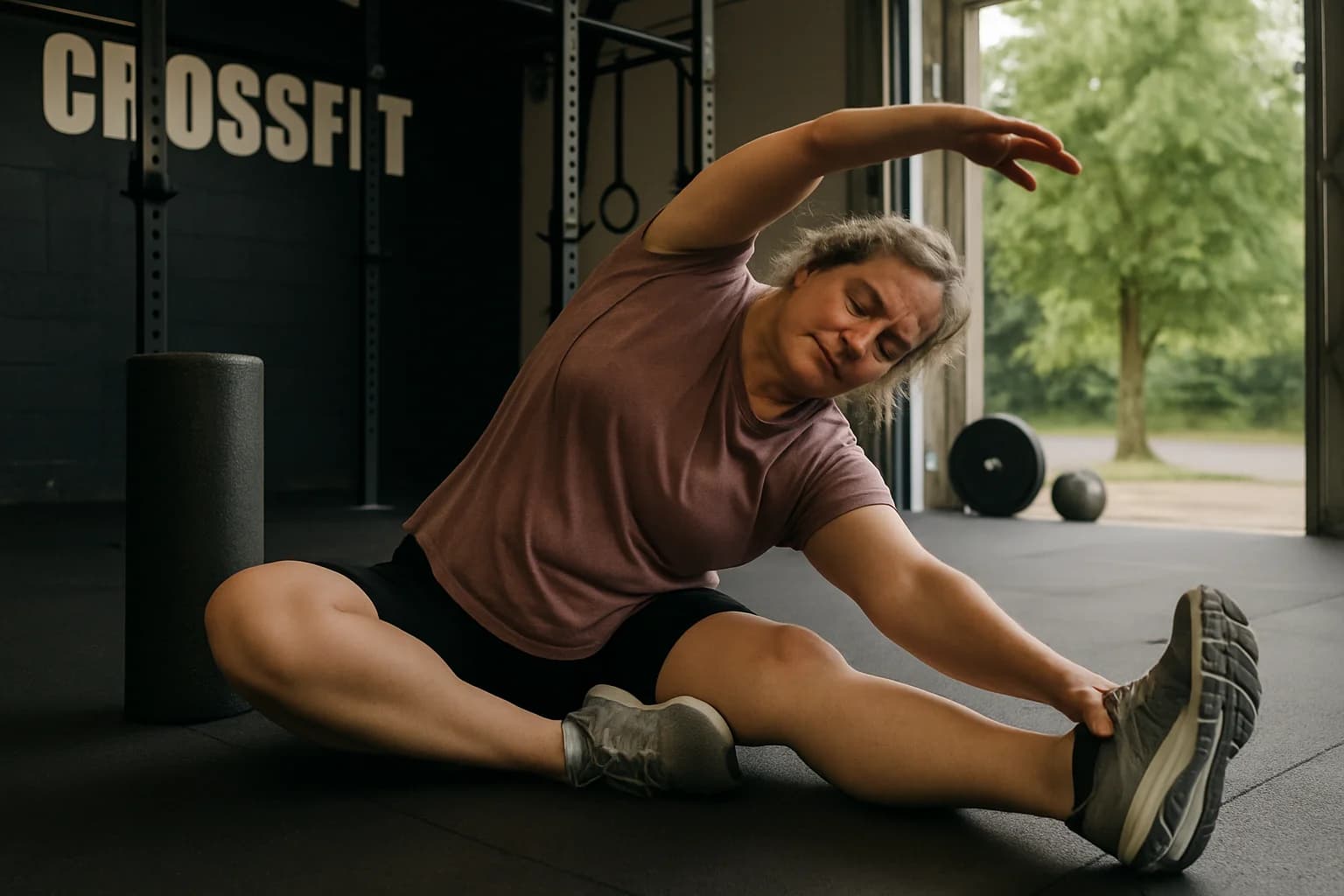
- Light stretching or yoga. Nothing Instagram-worthy. Just 15 minutes of moving through positions that feel good.
- Easy biking on the Munger Trail.
- Swimming, if that's your thing.
- Foam rolling while watching something on TV.
The goal is movement without intensity. Your heart rate stays low. You're not counting reps or watching a clock. You're just moving because it feels better than not moving.
Duluth happens to be one of the best places in the country for this kind of thing. We wrote a whole outdoor guide with 20+ activities, and a lot of them are perfect for rest days. A mellow paddle on the St. Louis River. A walk through the Duluth wellness scene. Even just getting outside and breathing cold air off the lake can reset your system.
What to Eat on Rest Days
This is where people get tripped up. You didn't work out today, so you should eat less, right?
Not necessarily.
Your body is still working on rest days. It's repairing muscle, restocking glycogen, managing inflammation. It needs fuel for all of that. Dramatically cutting calories on rest days is counterproductive, especially if you're trying to build strength or change your body composition.
A few things that help:
- Protein stays the same. Your muscles don't stop rebuilding just because you're not in the gym. Keep your protein intake consistent.
- Carbs can come down slightly. You're not burning as much glycogen, so a modest reduction is fine. But don't go zero-carb on rest days. That's a recipe for feeling terrible on your next training day.
- Hydrate. Most people are chronically under-hydrated and it shows in their recovery. Water. Electrolytes if you're active outdoors.
If nutrition feels confusing, that's normal. We offer macro coaching that takes the guesswork out of it. But the short version: eat real food, don't skip meals on rest days, and prioritize protein.
Sleep Is the Real Recovery Tool
You can foam roll, take ice baths, buy every recovery gadget on Amazon, and none of it will come close to what consistent sleep does for you.
Seven to nine hours. That's the target. During deep sleep, your body releases growth hormone, repairs tissue, consolidates motor learning (which is why that new movement suddenly clicks after a good night's sleep), and resets your stress hormones.
If you're sleeping six hours a night and wondering why your shoulders always hurt and you can't hit a PR, start here before you buy a massage gun.
A few things that actually help sleep quality:
- Same bedtime and wake time, even on weekends. Your body likes routine.
- No screens 30 minutes before bed. Yeah, you've heard this before. It still works.
- Cool bedroom. Duluth winters make this easy. Summer, not so much.
- Limit caffeine after noon if you're sensitive to it.
Signs You Need More Recovery
Your body talks. Most of us just don't listen. Watch for:
- Persistent soreness that doesn't go away after 48 hours
- Decreased performance — weights that felt fine last week suddenly feel heavy
- Trouble sleeping despite being tired
- Irritability or brain fog that's not explained by life stress
- Getting sick more often — overtraining suppresses your immune system
- Dreading the gym when you normally look forward to it
If two or three of these sound familiar, take an extra rest day. Or two. The gym will be there when you get back.
The Bottom Line
Recovery isn't a reward for hard work. It's part of the work. The members who stick with CrossFit for years, the ones who keep getting stronger and feeling better, treat their rest days with the same intention as their training days.
Show up when it's time to show up. Rest when it's time to rest. And if you're ever unsure where you fall, ask a coach. That's what we're here for.
What's Actually Happening When You Rest?
When you do a hard workout, you create tiny tears in your muscle fibers. That sounds bad, but it's the whole point. Your body patches those tears and makes the tissue a little stronger each time. That's adaptation. That's how a person who could barely air squat in October is deadlifting their bodyweight by March.
How Many Rest Days Do You Actually Need?
There's no universal number. But for most people doing CrossFit-style training, two to three rest days per week is the sweet spot.
What about Active Recovery vs. Full Rest?
Not every rest day has to mean lying on the couch watching Netflix. (Though sometimes that's exactly what you need, and there's nothing wrong with it.)
What to Eat on Rest Days?
This is where people get tripped up. You didn't work out today, so you should eat less, right?
Sleep Is the Real Recovery Tool?
You can foam roll, take ice baths, buy every recovery gadget on Amazon, and none of it will come close to what consistent sleep does for you.
Signs You Need More Recovery?
Your body talks. Most of us just don't listen. Watch for: