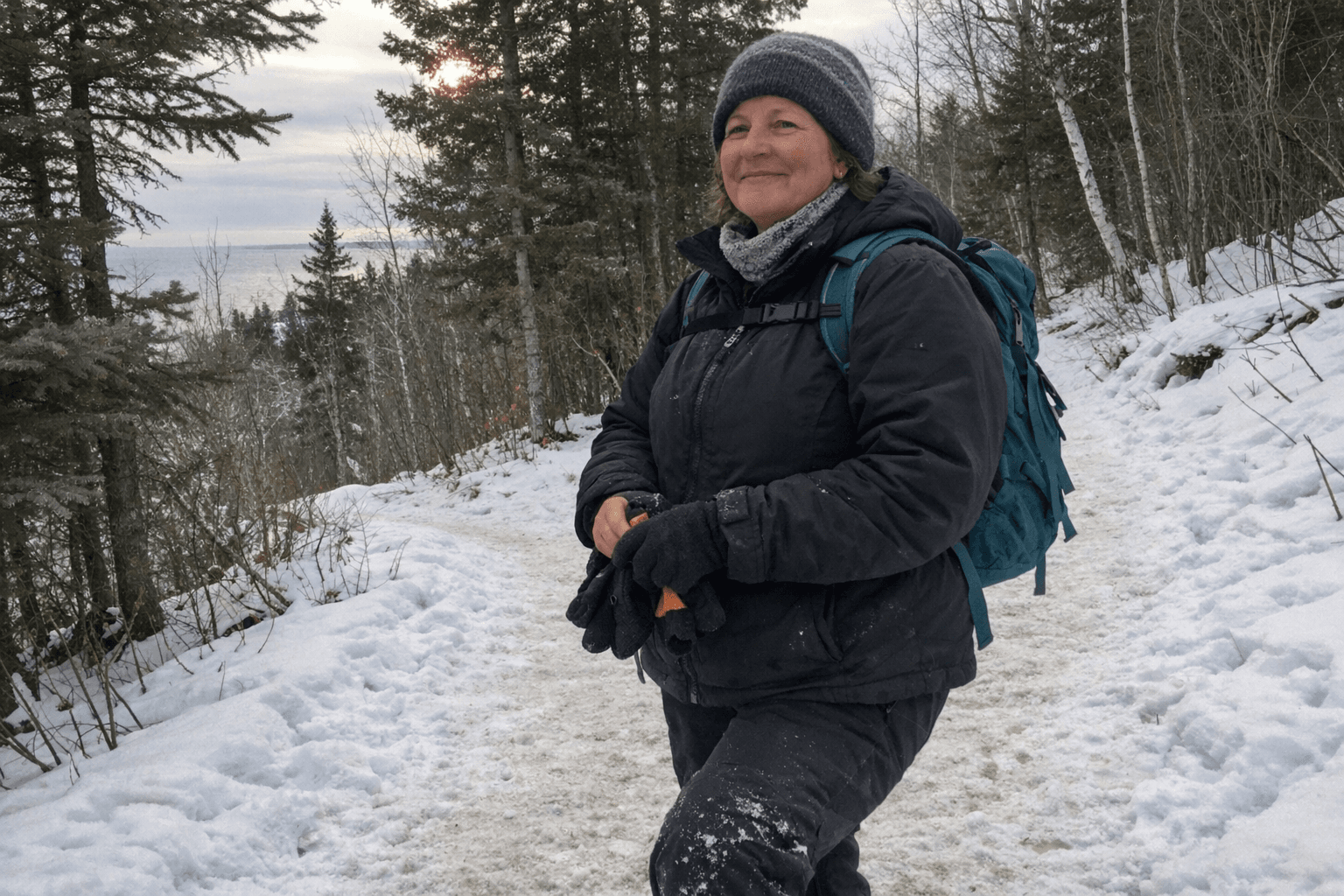
Winter Hiking Tips for Duluth Beginners
Wednesday, Jul 29th, 2026Winter Hiking Tips for Duluth Beginners
If you want to try winter hiking in Duluth, the hardest part usually is not the hiking.
It is the friction before you even leave the house.
You are wondering if your boots are wrong, whether the trail will be icy, if you need special gear, and whether a short beginner hike is even worth the effort when it is cold and dark by late afternoon.
That stuff matters.
A lot of adults here are not training for some huge winter expedition. They want a simple way to stay active, get outside, and not feel wrecked after the first mile. Working parents, adults starting from zero again, Legends members, and outdoor people who just want winter to feel a little more doable, that is who this is for.
If you want actual route ideas after this, pair this with Best Winter Hikes Near Duluth, Best Easy Winter Walks in Duluth, and Low-Pressure Winter Activities in Duluth.
Start smaller than your summer brain wants to
A lot of beginner winter hikers make the same mistake.
They pick a trail like it is July.
Winter changes the math. Snow slows you down. Ice makes you more cautious. Layers make you warmer but bulkier. Daylight disappears faster than you think. A trail that feels easy in summer can feel way more annoying in January.
A better first move is to choose a trail you can finish in 30 to 60 minutes, with simple parking and easy turn-around options. That gives you room to learn what winter hiking actually feels like without making every outing a test.
That is a big reason shorter routes around places like Chester, Hartley, Lester, and the Bagley area work so well for beginners. You still get woods, hills, and fresh air, but you can bail early if the footing is bad or your gear setup is off.
Traction matters more than toughness
If you hate your first winter hike, bad footing is usually why.
Most people do not need to become gear nerds. They just need to stop sliding around.
For beginner winter hiking in Duluth, traction cleats are often the biggest upgrade. Not because every trail is a sheet of ice, but because freeze-thaw conditions can make packed snow slick in a hurry.
A few practical rules:
- if sidewalks and trailheads are slick, bring traction
- if temperatures bounced above and below freezing, expect mixed footing
- if you feel tense with every step, the hike stops being fun fast
- if you are unsure, bring the cleats and decide at the trailhead
If your everyday setup still feels clunky, Winter Walking Gear for Duluth goes deeper on shoes, socks, and layers.
Dress for moving, not for standing in the parking lot
This is the other beginner mistake.
People dress for the first two minutes.
Then twenty minutes later they are sweaty, overheated, and annoyed.
For most winter hikes near Duluth, a simple layering system works better than one giant coat:
- a base layer that does not feel gross if you warm up
- a middle layer for warmth
- an outer layer that blocks wind or light moisture
- gloves and something for ears or face on windier days
You do not need to nail this perfectly. You just want a setup you can adjust.
The goal is not to look like you are crossing Antarctica. It is to stay comfortable enough that you would willingly do another hike next week.
Do not let the first mile talk you out of the whole idea
The first mile of a winter hike can be weird.
Your body feels stiff. Your face is cold. Your breathing feels sharper in the air. Maybe your boots feel heavier than you expected. None of that automatically means the hike was a bad idea.
A lot of winter outings feel better after the first ten to fifteen minutes once your body warms up and your stride settles in.
That is why it helps to keep the expectation simple:
- the first mile does not need to feel amazing
- the outing does not need to be long to count
- turning around early is normal, not failure
- a short repeatable hike beats one heroic miserable one
If the day still feels like too much, switch to an easier win. A short walk, an indoor walk, or one of the ideas in Low-Pressure Winter Activities in Duluth still keeps the habit alive.
Pick trails that feel beginner-friendly in winter, not just pretty online
A good beginner winter hike usually has a few things going for it:
- straightforward parking
- clear path or well-traveled trail
- easy turn-around points
- scenery early in the route
- enough payoff without needing a huge time block
That matters because winter confidence builds from small good experiences.
You do not need your first winter hike to be the most dramatic one near Duluth. You need one that makes you think, yeah, I would do that again.
For trail ideas that fit that standard, start with Best Winter Hikes Near Duluth. If you want something even lower pressure, Beginner Snowshoe Trails Near Duluth is another good next read.
Bring less ego and a little more margin
This part saves people a lot of grief.
Check the weather. Start earlier than you think you need to. Let somebody know where you are going if you are heading somewhere quieter. Keep water in the car. Pack one extra layer if conditions are sketchy.
That is not overkill. That is just lowering the chance that one annoying surprise turns you off winter hiking altogether.
A few beginner-friendly habits:
- check wind, not just temperature
- assume trails may feel slower than expected
- keep a dry pair of socks in the car
- treat your first few outings like practice, not performance
- be willing to cut the route short
Winter hiking still counts, even if it is short and unglamorous
This is worth saying out loud.
A 35-minute winter hike counts.
A short out-and-back with your spouse counts. A bundled-up hike with kids where you stop a lot counts. A cautious walk on packed snow because you are rebuilding confidence counts.
For a lot of adults in Duluth, that is the version that actually leads somewhere. They start with walks, short hikes, easier winter outings, and a little more consistency. Then they realize they want stronger legs, better balance, less stiffness, and more confidence doing the outdoor stuff they already care about.
That is where structure can help.
At CrossFit Aerial, plenty of people start from scratch. Not from kind-of-in-shape. From scratch. Working parents. Adults over 40. Legends members 55 and up. People who thought they needed to get fit before joining. They did not. They needed coaching, scaling, and a place where showing up was normal.
If you want to see what that looks like, start with What to Expect Your First Week at CrossFit and CrossFit for Legends: Why It’s Never Too Late to Start in Duluth.
Most adults around here land somewhere in the $100 to $200 per month range depending on the level of support they want. What they are really paying for is coaching, scaling, accountability, programming, and a community that makes consistency easier. A lot of those gym friendships spill into hikes, ski days, and other outdoor plans too. If you want the full breakdown, head to the pricing page.
The best beginner winter hike is the one you will actually repeat
That is the real filter.
Not the trail with the coolest photo. Not the one that sounds toughest. The one that fits your real life in January.
If you want help building the strength and confidence to enjoy winter hikes, snowshoeing, skiing, and everyday life in Duluth with a little less stiffness and a little more gas in the tank, CrossFit Aerial can help.
Start with The Duluth Outdoor Guide: 20+ Activities and the Fitness to Actually Enjoy Them, then read What to Expect Your First Week at CrossFit if you want the gym side of it.
FAQ
What should beginners wear for winter hiking in Duluth?
Most beginners do well with simple layers, warm socks, gloves, and shoes or boots with decent grip. On icy days, traction cleats are often the biggest difference-maker.
Do I need traction cleats for winter hikes near Duluth?
Not every day, but they are a smart idea anytime trails or trailheads look icy or freeze-thaw conditions are likely. They make beginner winter hiking feel much more comfortable.
How long should a beginner winter hike be?
For most adults, 30 to 60 minutes is a great starting point. Shorter hikes are easier to repeat, easier to fit into a winter day, and easier to adjust if conditions are rough.
Is winter hiking a good way to get back into exercise?
Yes. Winter hiking can be a great low-pressure way to rebuild consistency, confidence, and general fitness, especially if you keep expectations realistic and start with short routes.